English
  日本語
日本語  français
  Deutsch
  Español
  italiano
  русский
  português
  العربية
  Türkçe
  Polska
  Nederland
Jul 25 2023
Advancing Renewable Energy: The Application of Slewing Ring Bearings with External Gears in Wind Turbines and Solar Tracking Systems
Read More >

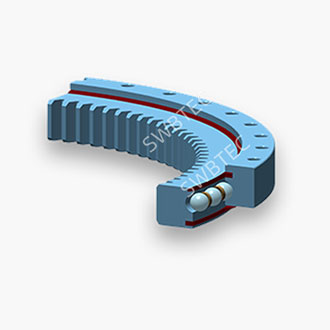
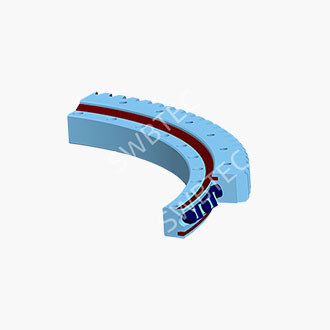
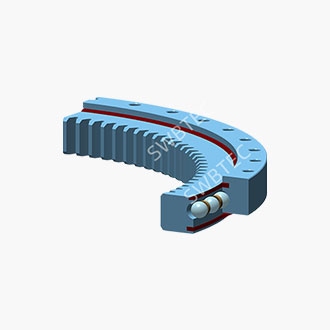
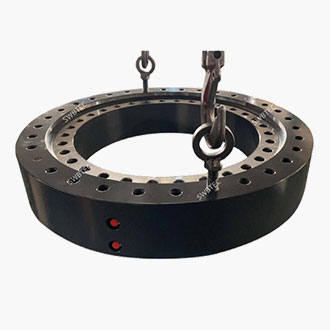
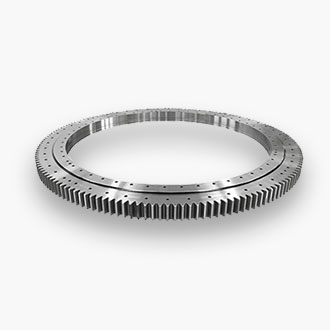
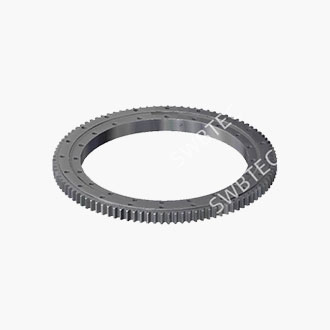
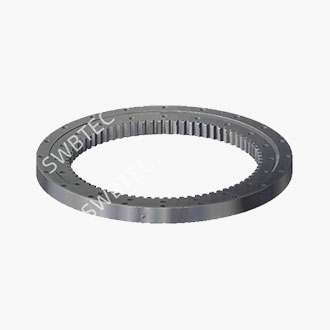
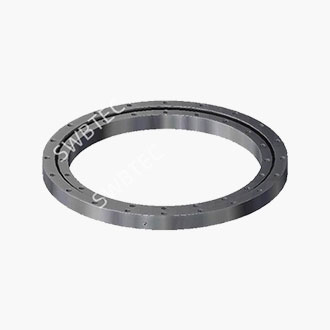
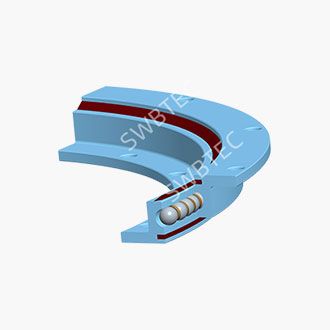
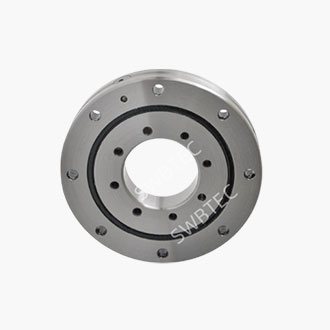
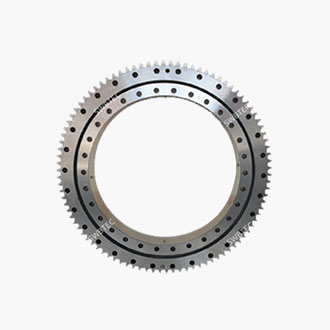
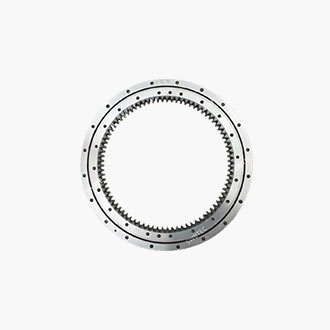
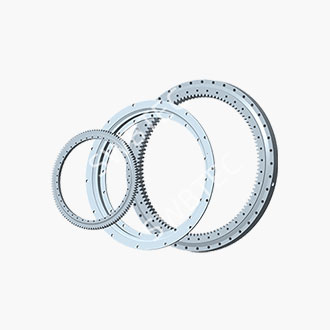
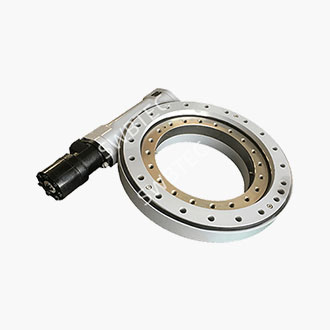
In industries such as construction machinery, robotics, and heavy equipment, OEMs are increasingly focused on reducing equipment weight while maintaining consistent performance and safety. Lightweight design supports energy efficiency and aligns with global carbon reduction trends, while stable load-carrying capability remains essential for long-term operation.
At the same time, manufacturers are working toward improved cost efficiency across the supply chain. As a result, optimizing slewing bearing weight, cost structure, and load performance has become an important engineering focus.
With extensive design and manufacturing experience, SWBTEC provides a systematic approach to improving slewing bearing performance, structural efficiency, and production consistency. More information about their engineering capabilities can be found on the official SWBTEC slewing bearing solutions platform.
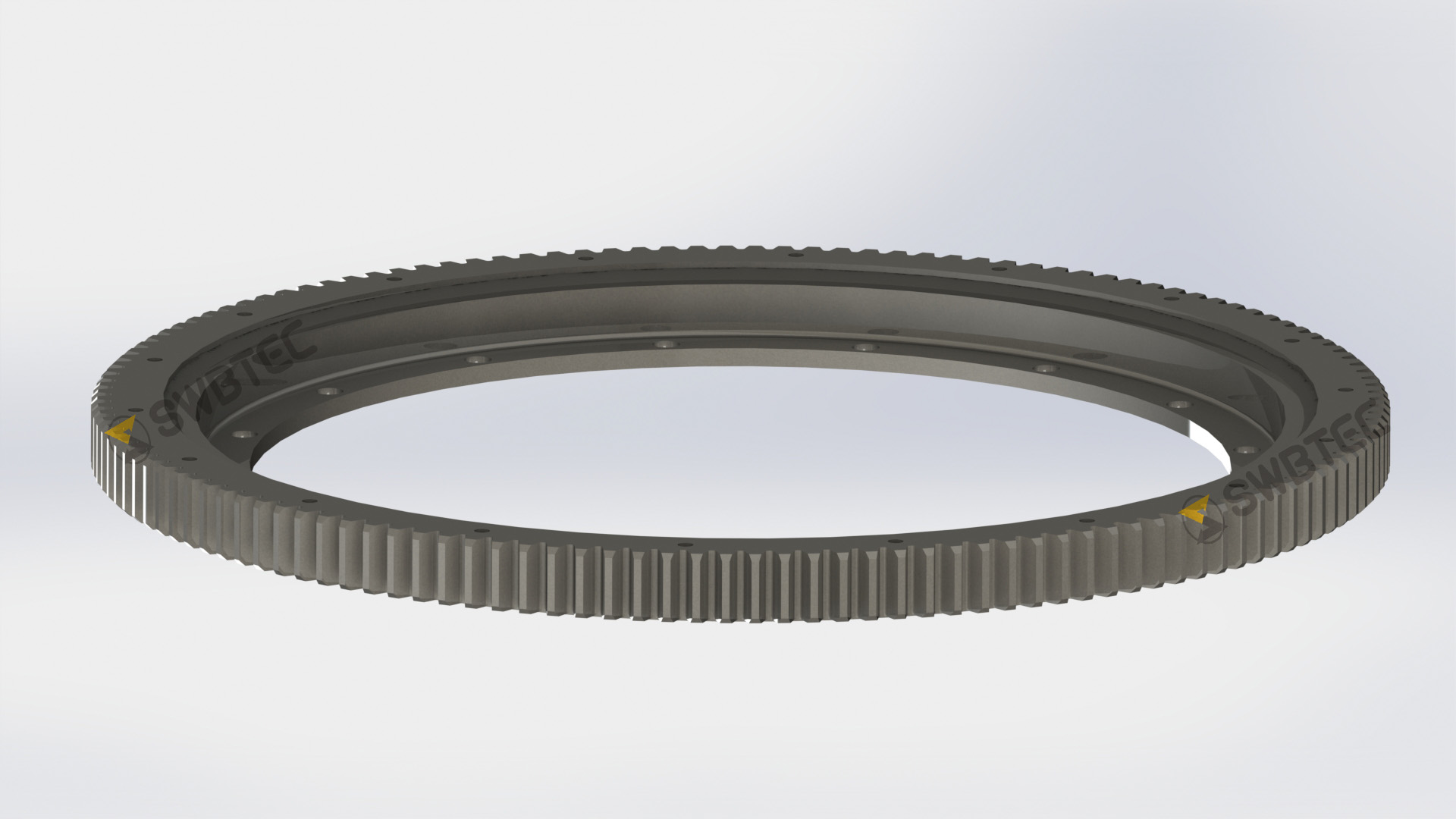
Traditional slewing bearing design often uses conservative safety factors and empirical methods, which can lead to unnecessary structural weight.
SWBTEC applies a more precise approach based on:
Real operating load spectrum analysis
Finite Element Analysis (FEA) simulation
Application-specific working conditions
By refining stress distribution across the slewing bearing raceway and improving root strength verification, safety factors are aligned with actual operating requirements rather than applied uniformly.
Key outcomes include:
Approximately 6%–10% reduction in slewing bearing weight
Continued compliance with ISO and GB standards
Improved structural efficiency and predictable performance
For OEM collaboration and customized engineering support, SWBTEC provides dedicated slewing bearing design and manufacturing services through its official industrial platform.
Weight optimization in a slewing bearing depends on maintaining fatigue life under defined stress conditions.
SWBTEC selects materials such as:
42CrMo for high strength and fatigue resistance
50Mn for balanced performance and cost efficiency
Through controlled induction hardening, the slewing bearing achieves:
Stable surface hardness
Appropriate hardened layer depth
Reliable core toughness
Structural refinement is also applied in non-critical regions, including mounting areas and non-meshing gear zones. These improvements are verified through fatigue testing to ensure consistent durability.
Cost efficiency in slewing bearing production is closely related to process stability and quality control.
SWBTEC improves manufacturing performance through:
Process capability control in grinding, gear machining, and assembly
Reduced dimensional variation and improved production consistency
Dedicated tooling for stable product models
Semi-automated inspection systems
In collaboration with OEM customers, SWBTEC also refines technical specifications to better match application needs, including:
Optimized raceway hardness ranges
Rationalized gear clearance requirements
This supports a design-to-application approach, improving both efficiency and cost structure.
For more technical details and OEM support, SWBTEC’s slewing bearing engineering team provides customized solutions through its official manufacturing platform.
All slewing bearing optimizations are verified through a comprehensive validation system before production.
SWBTEC’s test platform simulates:
Axial loads
Radial loads
Overturning moments
During testing, performance indicators include:
Raceway deformation behavior
Rolling element wear condition
Gear surface integrity
Only slewing bearing designs that meet defined performance benchmarks proceed to production, ensuring stable operation under real working conditions.
An optimized slewing bearing contributes to:
Improved equipment energy efficiency
Lower transportation and installation costs
Stable operational performance
Predictable maintenance intervals
Through coordinated design, material selection, and process control, slewing bearings achieve a balanced combination of weight, performance, and cost efficiency.
Q1: How can slewing bearing weight be reduced while maintaining load capacity?
By optimizing load distribution, refining safety factors, and selecting appropriate materials and heat treatment processes.
Q2: What materials are commonly used in slewing bearings?
42CrMo and 50Mn are widely used due to their strength, fatigue performance, and cost balance.
Q3: How are safety factors defined in slewing bearing design?
They are determined based on load analysis, simulation results, and application-specific operating conditions.
Q4: How is slewing bearing performance verified?
Through simulation, bench testing, and operational validation to ensure consistent performance.
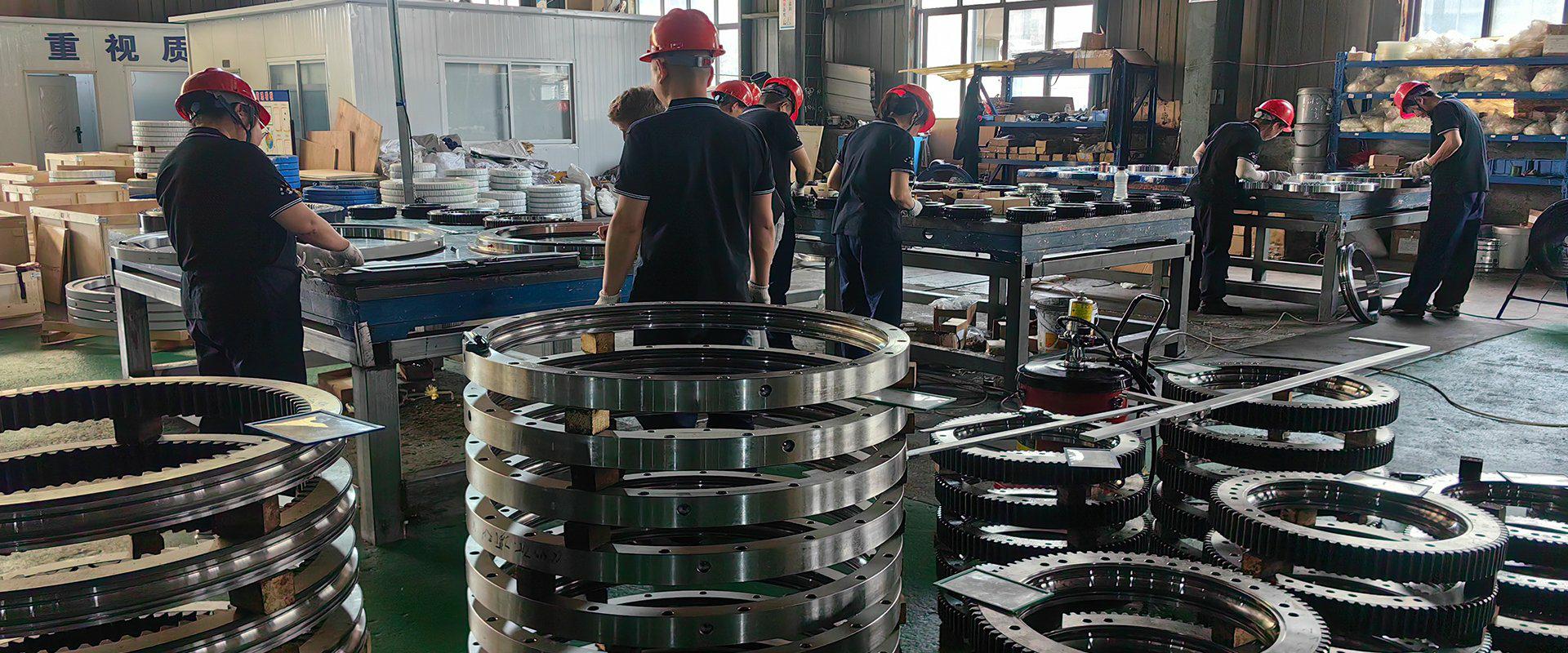
Modern slewing bearing design emphasizes precision, consistency, and efficiency. By integrating:
Load-based design methods
Material optimization
Controlled manufacturing processes
Systematic validation
SWBTEC delivers slewing bearing solutions that support optimized weight, stable load performance, and efficient cost management.
For OEM projects and engineering support, submit your requirements via the slewing bearing contact inquiry page.