English
  日本語
日本語  français
  Deutsch
  Español
  italiano
  русский
  português
  العربية
  Türkçe
  Polska
  Nederland
Feb 20 2023
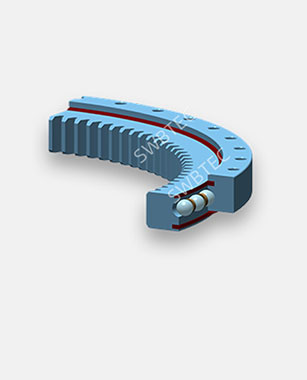
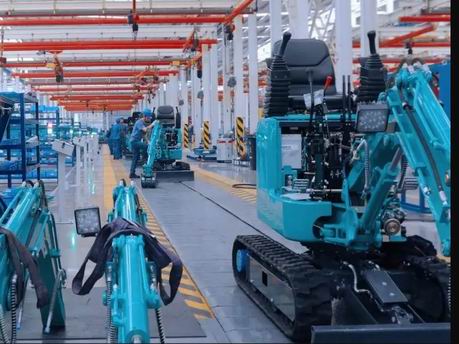
New Development of Swing Bearing/slewing Bearing/slewing Ring for Log Loader
Read More >

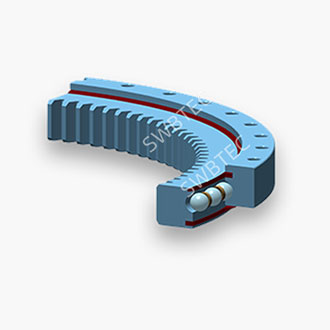
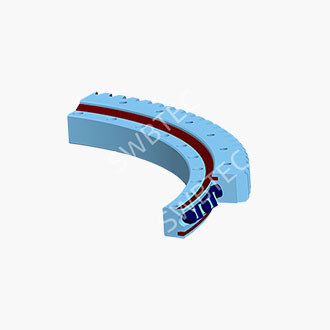
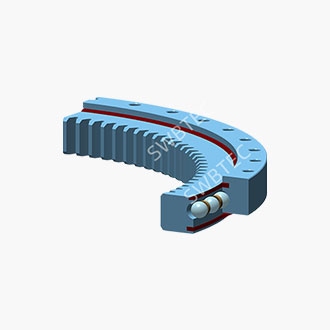
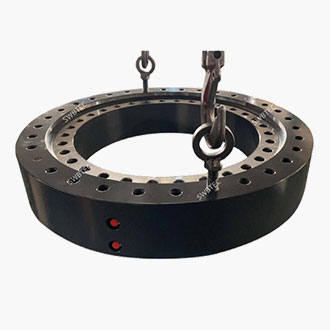
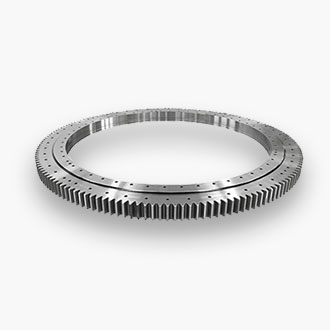
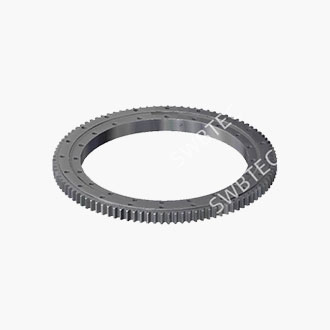
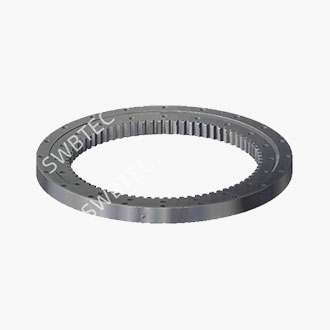
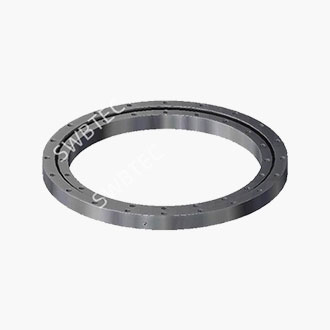
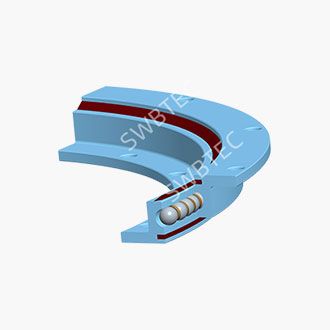
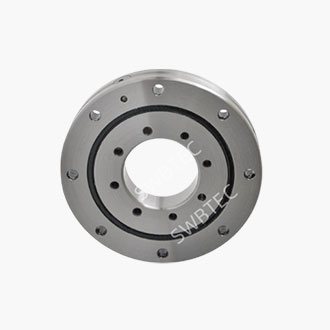
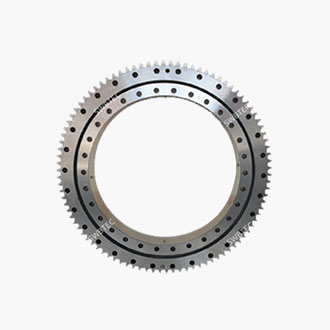
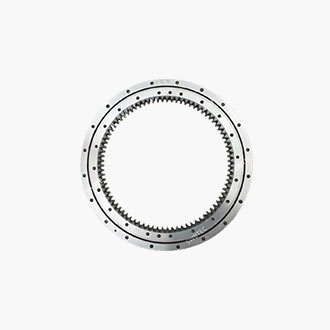
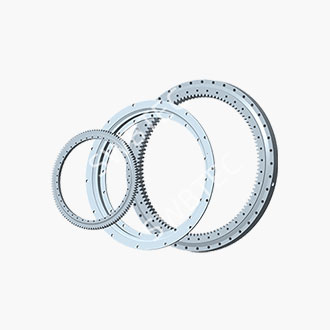
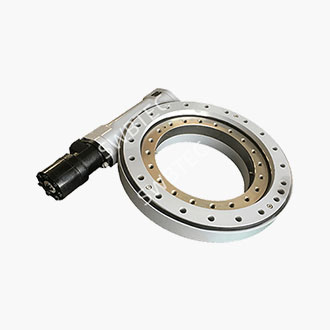
Currently, excavator slewing rings all employ a 45° contact angle. Given the severe impact loads experienced by excavators, is there a more optimal design for the slewing bearing raceway contact angle and curvature coefficient? How can their impact resistance be validated?
Below are the proposals from our company's R&D department:
1. Overcoming the Constraints of the Traditional 45° Standard: Novel Approaches to Optimising and Validating Excavator Slewing Rings Raceway Designs
Under the severe demands of excavator impact loads, slewing rings with the conventional 45° standard contact angle frequently encounter premature fatigue and load-bearing limitations. To address this constraint, cutting-edge designs now focus on the synergistic optimisation of raceway contact angle and curvature coefficient, aiming to fundamentally enhance the product's impact resistance and service life.

2. Core Optimisation Direction: From ‘Standard Angle’ to ‘Operating Condition Angle’
While simply increasing the contact angle can enhance axial load capacity, it compromises radial performance. An advanced approach involves adjusting the contact angle from a fixed 45° to a dynamically adapted ‘operating condition angle’ based on the host manufacturer's specific load spectrum. For instance, in excavation applications dominated by axial impacts, the contact angle may be moderately increased to 50°–55°. This is complemented by optimising the raceway curvature coefficient (typically by slightly increasing the ratio of raceway curvature radius to ball diameter from the conventional 0.52–0.54). This expands the contact ellipse area and reduces Hertzian contact stress. This synergistic ‘angle + curvature’ design disperses impact loads more uniformly without significantly increasing friction torque, thereby suppressing premature pitting and spalling on raceway surfaces.
3. Scientific Validation: Dual Closed-Loop Simulation and Field Testing
Optimisation efficacy demands rigorous validation. The current leading verification framework comprises:
1. Virtual Simulation First: Employing precisely established finite element models, dynamic contact stress analysis is conducted using real excavator impact load spectra. By comparing subsurface stress distributions and depths before and after optimisation, fatigue life improvement margins are predicted.
2. Bench Testing Consolidation: On dedicated slewing bearing fatigue test rigs, simulate or even intensify impact load cycles encountered in actual operating conditions. By monitoring vibration, temperature rise, and periodically inspecting raceway surface conditions, direct durability data is obtained.
3. Field Testing Confirmation: Ultimately, long-term tracking tests were conducted on new excavators from collaborating OEMs. Sensors mounted on the slewing bearings collected real-time load and strain data during operation, validating performance under authentic impact conditions.
Through this comprehensive technical pathway—from design optimisation to closed-loop validation—we believe slewing bearings have evolved from ‘standard components’ into ‘critical functional parts’ deeply integrated with host machinery. This establishes a robust technical precedent for upgrading core component reliability.
We are currently implementing the above steps.We welcome your enquiries for further discussion.