English
  日本語
日本語  français
  Deutsch
  Español
  italiano
  русский
  português
  العربية
  Türkçe
  Polska
  Nederland
Feb 20 2023
New Development of Swing Bearing/slewing Bearing/slewing Ring for Log Loader
Read More >

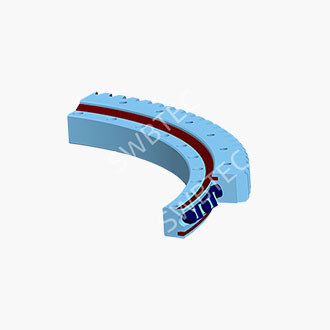
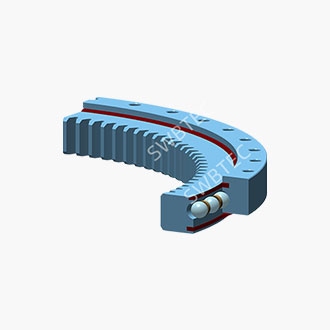
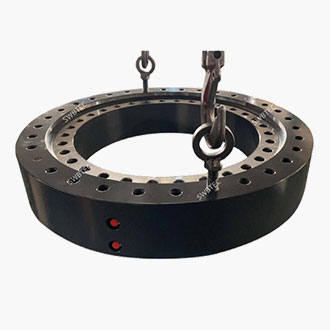
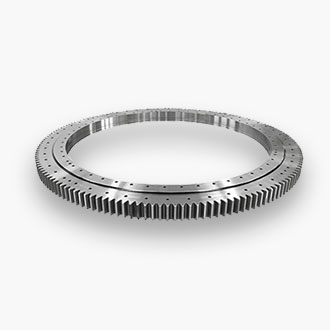
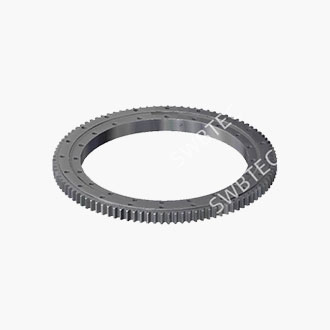
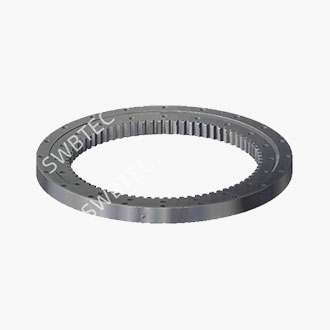
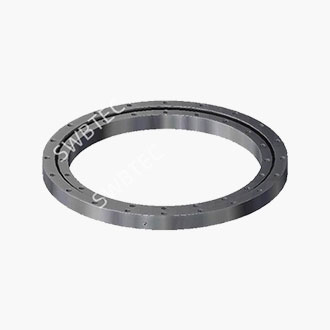
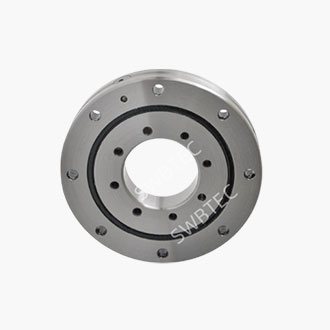
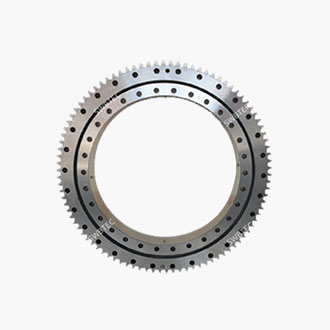
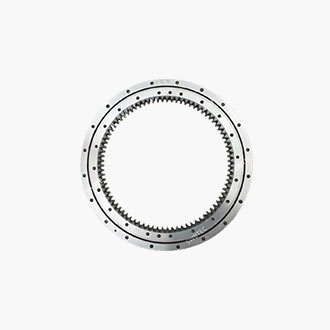
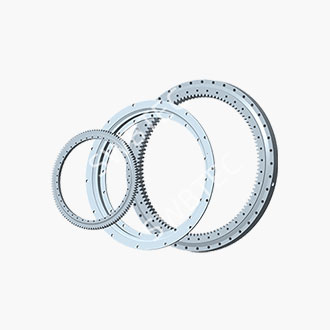
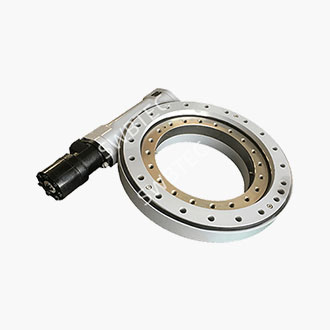
Oil Grooves in Slewing Bearings: To machine or Not to Machine? SWBTEC Provides an In-Depth Analysis
In the manufacture of slewing bearings, the design of oil grooves in the raceways has long been a contentious issue. Some consider them an essential lubrication channel, whilst others believe they compromise the strength of the raceway and increase machining costs. So, Is oil groove really necessary? What are the benefits of machining them? And what are the implications of not doing so? As a company of professional slewing bearings manufacturer in China, SWBTEC draws on its many years of industry experience and technical expertise to discuss this issue with you.
I. What Are Raceway Oil Grooves?
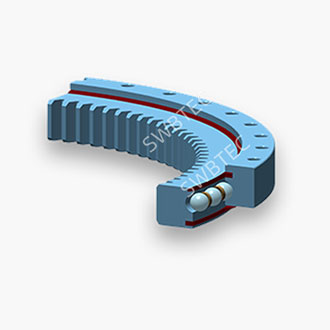
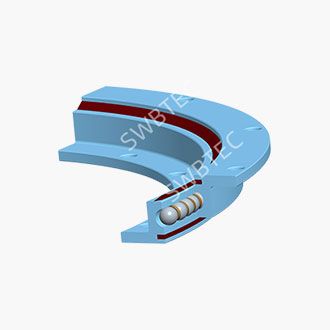
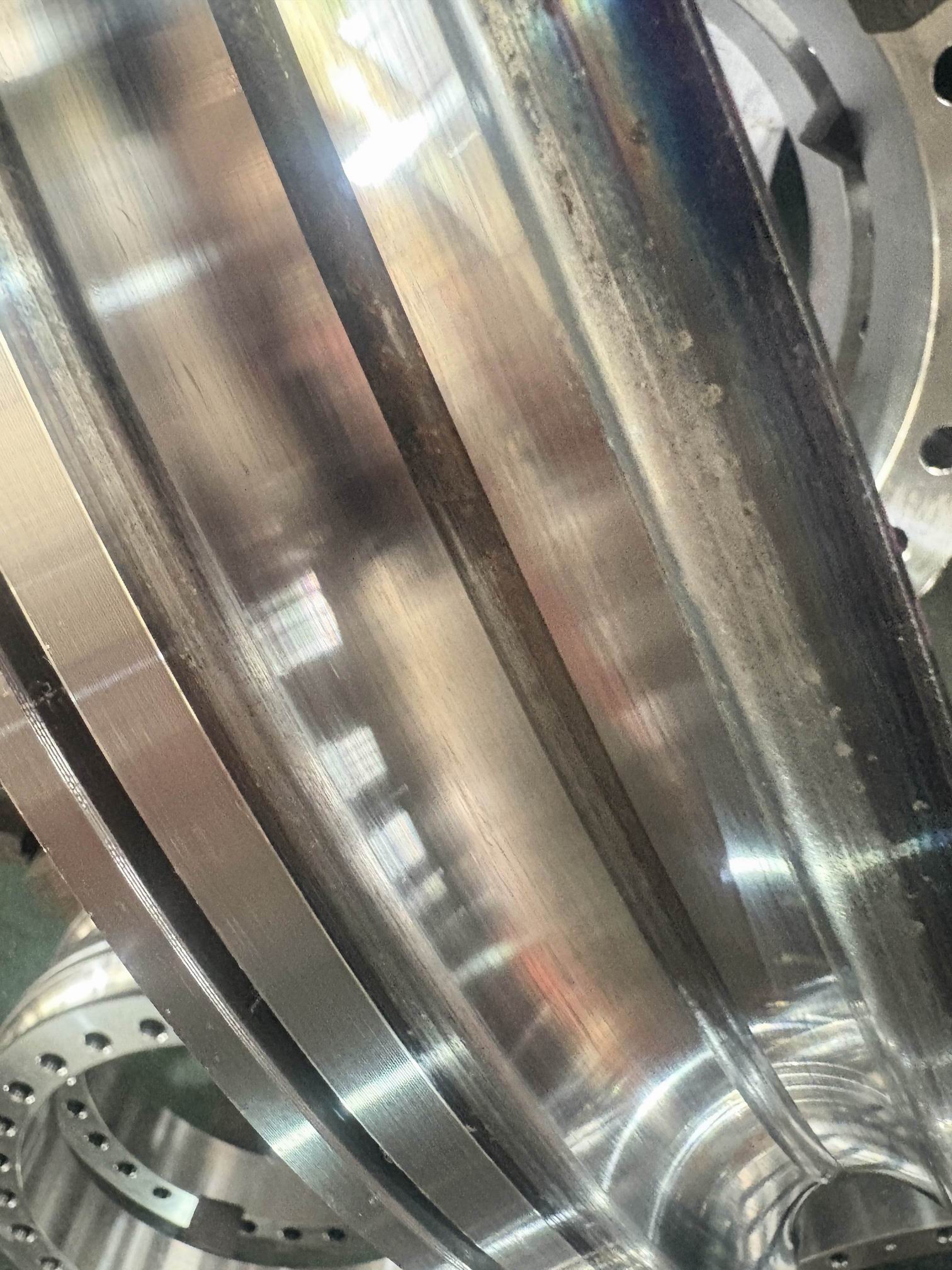
A slewing bearing consists of an inner ring, an outer ring, steel balls (or rollers) and seals. The raceways of the inner and outer rings are each formed by two concentric arcs connected to one another. A raceway oil groove is a circular groove machined using an oil groove cutter at the junction of the arc-shaped raceways during the machining process. The purpose of this groove is not to bear loads, but to provide space for the storage and flow of lubricating grease.
Put simply, the oil groove acts as a 'lubricant reservoir' within the raceway – it stores grease during normal operation and gradually releases it whilst the equipment is running to lubricate the contact surfaces between the balls and the raceways.
II. What are the benefits of machining oil grooves?
1. Improved lubrication and reduced friction
In slewing bearings with grease grooves, the grease can enter the grooves directly during greasing, increasing the contact area between the grease and the steel balls. As the steel balls roll within the raceway, the grease in the grooves continuously lubricates the contact surfaces, effectively reducing the friction between the steel balls and the raceway. With reduced friction, operation becomes smoother and heat generation is minimised.
2. Extended service life
Slewing bearings are subjected to heavy loads, resulting in significant wear between components. With grease grooves, the lubricant is distributed evenly throughout the raceway, preventing dry running caused by localised grease shortages. Adequate lubrication naturally reduces wear on the raceway and steel balls, thereby extending the service life.
3. Reduced Maintenance Frequency and Costs
When greasing a slewing bearings with grease grooves, the grease fills the entire raceway more quickly, reducing the time required for greasing. Furthermore, the grooves themselves can store a certain amount of grease, eliminating the need for frequent top-ups and thereby reducing the workload and costs associated with routine maintenance.
4. A well-designed grease groove can also optimise the machining process
A rational grease groove design—such as a smooth transition at the junction between the groove and the raceway—can reduce machining difficulty, minimise the number of machining operations, and improve machining efficiency by up to 20 per cent, whilst also preventing stress concentration during heat treatment.
III. What are the consequences of not machining a grease groove?
1. Significantly reduced lubrication effectiveness
In slewing rings without grease grooves, grease can only be injected directly into the raceway via the grease injection holes, making it difficult to distribute the grease evenly across the entire raceway contact surface. As the steel balls roll, the contact surfaces do not receive continuous and stable lubrication, resulting in an increased coefficient of friction and greater operating resistance.
2. Accelerated wear and reduced service life
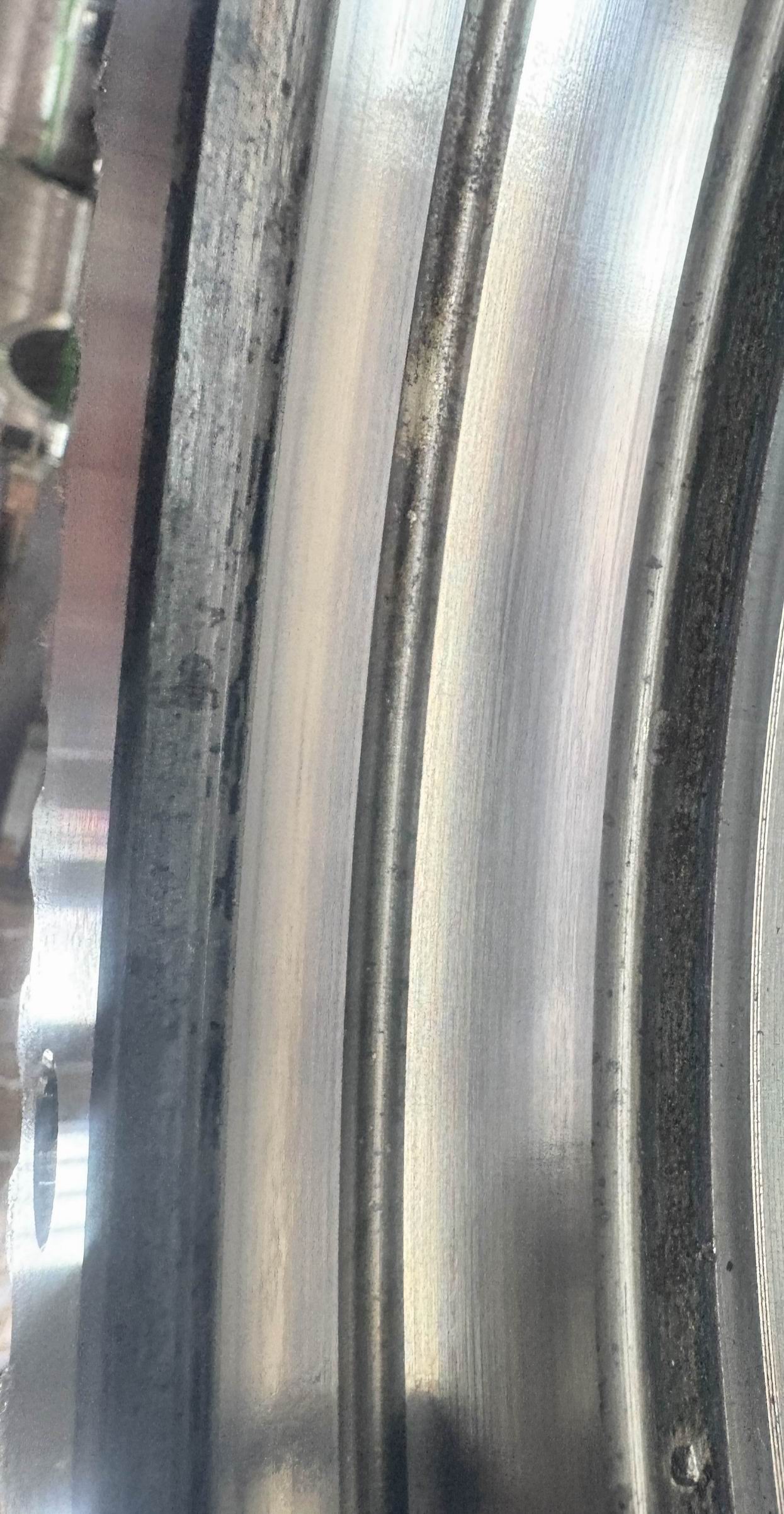
The direct consequence of insufficient lubrication is accelerated wear. As the raceway and rolling elements come into direct contact, friction and wear increase significantly. Over time, the raceway surface may suffer damage such as spalling and indentations. Once wear reaches a certain level, the slewing bearing will exhibit issues such as abnormal noise and heavy operation.
3. Increased risk of failure
Slewing bearings lacking effective lubrication are more prone to problems under harsh operating conditions. For example, if contaminants enter the raceway following seal failure, combined with insufficient lubrication, this can easily lead to raceway seizure or severe wear. Industry data indicates that a significant proportion of premature failures in slewing bearings are directly attributable to improper lubrication.
IV. What are the appropriate width and depth for oil grooves?
There is no one-size-fits-all answer to this question, as the dimensions of the oil grooves must be determined according to the specific specifications of the slewing rings. However, there are some established industry guidelines and data that can be used as a reference:
• Width: Some technical solutions propose that the oil groove width should be one-quarter of the ball diameter. For example, when the ball diameter is 30 mm, the oil groove width can be set at approximately 6–8 mm.
• Depth: In common design solutions, the depth is typically set at either 2 mm or 3 mm; increasing the width and reducing the depth serves to increase the oil flow rate.
• Smooth transitions are crucial: Smooth transitions should be employed at the junctions between the oil grooves and the raceways, as well as between the sides and the base of the oil grooves. This not only prevents stress concentration at sharp corners during heat treatment—which can lead to cracking—but also ensures that the lubricating grease adheres evenly to the interior of the oil grooves. The radius R3 of the oil groove should connect as smoothly and naturally as possible with the radius R of the raceway; generally, this should be no less than 3 mm.
In actual production, SWBTEC tailors grease groove design solutions for customers based on specific factors such as the model, ball diameter and load conditions, ensuring that lubrication requirements are met without compromising the load-bearing capacity of the raceways.
V. Are oil grooves required in all application areas?
Slewing bearings are used in a very wide range of applications, from construction machinery such as excavators and cranes, to wind power equipment, port machinery and metallurgical equipment, right through to industrial robots and military equipment. The requirements for oil grooves do indeed vary across different sectors:
1.Construction machinery (excavators, cranes, loaders, etc.): As this type of equipment operates in harsh environments, carries heavy loads and undergoes frequent starts and stops, the provision of oil grooves is strongly recommended. Good lubrication is fundamental to ensuring the reliable operation of the equipment.
2.Wind power industry: Slewing bearings in wind turbines are typically located at great heights, making maintenance difficult and placing extremely high demands on the durability of the lubrication. A design featuring oil grooves allows for the storage of a greater volume of lubricant, thereby extending maintenance intervals; consequently, slewing bearings with precision oil grooves are widely adopted in the wind power sector.
3.Port and metallurgical equipment: As this type of equipment operates continuously for long periods under heavy loads, oil grooves are virtually standard.
Light-load or intermittently operated equipment: If the equipment carries relatively light loads and operates at low frequencies, omitting oil grooves or adopting a simplified design may be considered to reduce manufacturing costs. However, even in such cases, SWBTEC still recommends that customers conduct a comprehensive assessment based on actual operating conditions.
4.Industrial robots and precision equipment: As this type of equipment demands high operational precision and stability, the grease groove design must be more refined to ensure adequate lubrication whilst preventing excessive grease from compromising accuracy.
VI. FAQ: Frequently Asked Questions
Q1: Does machining a grease groove reduce the strength of the raceway?
A: A properly designed grease groove will not significantly affect the strength of the raceway. The key lies in ensuring a smooth transition at the junction between the grease groove and the raceway to avoid sharp corners and stress concentrations. SWBTEC strictly controls this aspect during design and machining to ensure that the grease groove provides lubrication without compromising the load-bearing capacity of the raceway.
Q2: Do all slewing rings require grease grooves?
A: Not necessarily. Whether grease grooves are required depends on factors such as the equipment’s working load, rotational speed, operating environment and maintenance conditions. SWBTEC recommends that customers consult thoroughly with our technical staff during the selection process; we will provide professional advice based on the specific operating conditions.
Q3: Do oil grooves increase manufacturing costs?
A: They do involve additional manufacturing processes and costs; however, from a full life-cycle perspective, the improved lubrication provided by the grooves can extend service life, reduce downtime due to faults and lower maintenance costs, so the overall benefits are generally cost-effective.
Q4: What is the optimal depth for the oil grooves?
A: There is no fixed standard; this must be determined comprehensively based on factors such as ball diameter, raceway dimensions and load conditions. SWBTEC possesses extensive design and manufacturing experience and is able to provide customers with the optimal oil groove dimension solution.
Q5: What precautions should be taken regarding the oil grooves during use?
A: Regularly check the oil grooves for blockages caused by contaminants and top up the lubricating grease periodically. At the same time, monitor the condition of the seals to prevent external contaminants from entering the oil grooves and raceways.
VII. SWBTEC's Perspective
Based on years of manufacturing experience and customer feedback, SWBTEC believes that for the vast majority of medium- to heavy-duty, continuous-operation slewing rings applications, incorporating oil grooves into the raceway is a worthwhile investment. Although this adds an extra machining step, the benefits in terms of lubrication performance, service life and ease of maintenance far outweigh the additional costs.
Of course, the specific decision on whether to include oil grooves, and if so, their width and depth, must be assessed on a case-by-case basis. SWBTEC remains committed to providing customers with bespoke technical solutions, supporting you every step of the way—from selection and design through to machining and after-sales service. Should you have any requirements regarding the procurement or customisation of slewing rings, please do not hesitate to contact our technical team; we will provide you with the most professional service.
SWBTEC—specialising in the manufacture of slewing bearings, driving quality through technology and earning trust through service.